The Comprehensive Guide to T-Shirt Printing:
Exploring Methods, Differences, and Best Practices
When it comes to creating custom T-shirts, the printing method choosen can have a significant impact on the final product. For producing high-quality apparel, understanding the different T-shirt printing techniques is crucial. Each method has its unique strengths, applications, and limitations. In this in-depth guide, we’ll explore six of the most popular T-shirt printing methods: Dye Sublimation, White Toner, Screen Printing, Heat Transfer Vinyl, Plastisol Ink, and Direct-to-Film (DTF).
By the end of this article, you’ll have a solid understanding of each technique and be better equipped to choose the right one for your needs.
1. Dye Sublimation: The Polyester Powerhouse
How It Works
Dye sublimation is a printing process that uses heat to transfer dye into the fabric. The process begins with the creation of a design, which is printed onto special sublimation paper using sublimation ink. When heat and pressure are applied, the dye on the paper turns into a gas and bonds with the fibers of the fabric, resulting in a permanent, vibrant image.
Dye sublimation works best on fabrics with a high polyester content—ideally, 100% polyester. This is because polyester has the right properties to bond with the sublimation dye at the molecular level. While the process can technically be used on other synthetic fabrics, it’s not suitable for natural fibers like cotton.
Best For
- Full-color designs: Dye sublimation is perfect for producing bright, full-color images, including photographs and complex graphics.
- All-over prints: Because the dye bonds with the entire surface of the fabric, dye sublimation can be used for creating all-over prints that cover the entire T-shirt.
- Lightweight, breathable T-shirts: The process leaves no noticeable texture on the fabric, resulting in a soft, breathable finish.
Pros
- Vibrant, long-lasting colors: The dye becomes part of the fabric, so it won’t fade, crack, or peel over time.
- Soft finish: The absence of ink buildup means the fabric remains soft and flexible, perfect for comfortable wear.
- Excellent detail: The high resolution of dye sublimation printing allows for intricate designs and detailed images.
Cons
- Limited to polyester: Dye sublimation only works well on polyester fabrics, limiting its use with other materials.
- Not suitable for dark fabrics: Because the dye is transparent, it won’t show up well on dark-colored fabrics.
Use Case Example
Dye sublimation is ideal for producing custom athletic wear or promotional T-shirts that require vibrant, full-color designs on lightweight, breathable materials.
2. White Toner Printing: Versatility with Vibrancy
How It Works
White toner printing is a relatively recent innovation in the T-shirt printing industry. It uses a specialized printer that applies a white layer of toner before adding colored toner layers on top. This technique allows for printing on both light and dark garments, overcoming the limitations of other methods that struggle with dark fabrics.
After printing the design onto a transfer paper, it is then heat-pressed onto the T-shirt. The heat causes the toner to adhere to the fabric, creating a vibrant and durable print. This method is especially popular for small to medium print runs where the ability to print on dark fabrics is a significant advantage.
Best For
- Dark-colored fabrics: White toner printing excels at producing bright, vivid designs on dark garments, which other methods might struggle to achieve.
- Detailed, multi-colored designs: The precision of the white toner printer allows for highly detailed designs with multiple colors.
Pros
- Works on both light and dark fabrics: The white toner layer ensures that colors stand out on any fabric, regardless of its color.
- Sharp, vibrant images: The use of toner produces clear, crisp designs with excellent color vibrancy.
- No need for pre-treatment: Unlike some other methods, white toner printing doesn’t require the fabric to be pre-treated before printing.
Cons
- Durability: While white toner prints are generally durable, they may not be as long-lasting as those produced by screen printing or dye sublimation.
- Higher cost for specialized equipment: The printers and toners required for this method are more expensive than those used in standard inkjet or laser printing.
Use Case Example
White toner printing is an excellent choice for fashion brands that want to create vibrant, detailed designs on dark-colored T-shirts, particularly for limited runs or bespoke collections.
3. Screen Printing: The Industry Standard
How It Works
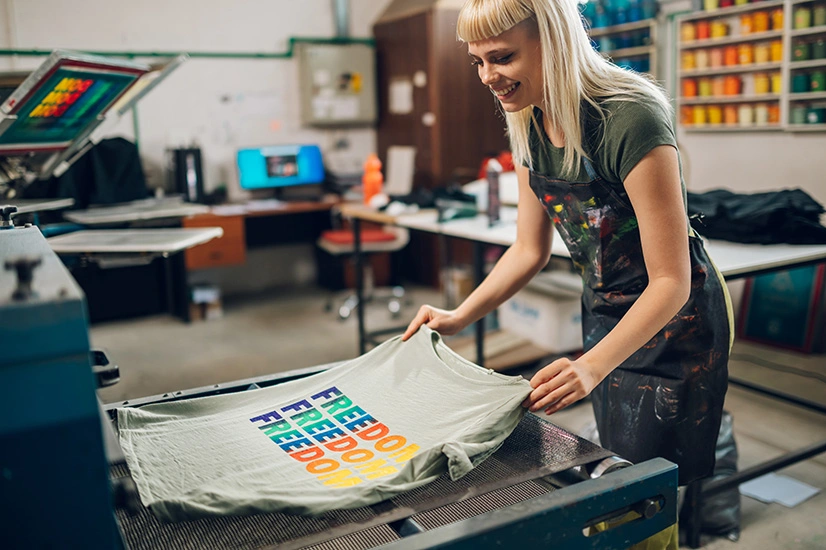
Screen printing is one of the oldest and most popular methods of printing on T-shirts. The process involves creating a stencil, or “screen,” for each color in the design. Ink is then pushed through the screen onto the fabric, layer by layer. This method is highly effective for designs with solid colors and is often used for bulk orders due to its cost-effectiveness when producing large quantities.
Screen printing can be done manually or with automatic presses, depending on the scale of the production. Each screen corresponds to a different color in the design, so multi-colored designs require multiple screens and passes, making the setup more complex but allowing for rich, layered images.
Best For
- Bulk orders: Screen printing is the go-to method for large print runs due to its efficiency and cost-effectiveness.
- Designs with solid colors: This method excels at producing vibrant, solid-color prints, especially for logos, text, and simple graphics.
- Durable prints: The ink used in screen printing is thick and durable, ensuring that the design lasts through many washes.
Pros
- Cost-effective for large runs: Once the screens are set up, printing large quantities is quick and economical.
- Long-lasting, vibrant prints: The thick layers of ink create a durable print that resists fading and cracking.
- Versatility: Screen printing can be used on a wide range of fabrics and materials, including cotton, polyester, and blends.
Cons
- Not ideal for complex, multi-colored designs: Each additional color requires a new screen, making the process more time-consuming and expensive for intricate designs.
- Set-up costs: The initial setup, including creating screens, can be costly and time-consuming, making it less ideal for small runs.
Use Case Example
Screen printing is perfect for producing promotional T-shirts, band merch, or company uniforms where large quantities and durability are key.
4. Heat Transfer Vinyl (HTV): The DIY Dream
How It Works
Heat Transfer Vinyl (HTV) is a popular method for customizing T-shirts, especially among DIY enthusiasts. The process involves cutting shapes, text, or designs from sheets of colored vinyl, which are then heat-pressed onto the fabric. HTV is available in a wide range of colors, finishes (such as matte, glossy, or glitter), and even special effects like metallic or glow-in-the-dark.
To create a design with HTV, a cutting machine (like a Cricut or Silhouette) is typically used to cut the vinyl into the desired shapes. The cut vinyl is then placed on the T-shirt, and a heat press is used to adhere it to the fabric. This method is particularly popular for personalizing garments with names, numbers, or simple logos.
Best For
- Simple, solid-color designs: HTV is ideal for creating bold, solid-color designs, especially those that require precision cutting, like text or logos.
- Personalization: This method is great for adding individual names, numbers, or custom graphics to T-shirts, making it popular for sports teams and events.
- Small batches: HTV is perfect for small runs, one-off designs, or DIY projects where setup costs need to be kept low.
Pros
- Versatile and easy to use: HTV can be applied to a variety of fabrics, and it’s relatively easy to work with, making it accessible for beginners.
- Wide range of finishes: With options like glitter, metallic, and matte, HTV allows for creative and eye-catching designs.
- No need for special inks or screens: HTV doesn’t require any additional materials besides the vinyl and a heat press, making it a cost-effective choice for small projects.
Cons
- Limited to solid colors: HTV is not suitable for complex, multi-colored designs with gradients or detailed images.
- Vinyl can feel heavy or stiff: Depending on the size of the design, the vinyl can add weight to the T-shirt, which may affect comfort.
- Less durable than other methods: While HTV designs are fairly durable, they may crack or peel over time, especially with frequent washing.
Use Case Example
HTV is perfect for creating personalized T-shirts for sports teams, family reunions, or special events where you want a unique, customized look.
5. Plastisol Ink: The Industry Workhorse
How It Works
Plastisol ink is the most commonly used ink in the screen printing industry. It is a PVC-based ink that stays on the surface of the fabric rather than soaking in, creating a vibrant and durable print. Plastisol ink is popular because of its versatility and ease of use—it doesn’t dry until it’s heat-cured, making it easier to work with during the printing process.
When using Plastisol ink, the design is applied to the fabric using a screen, just like in traditional screen printing. The ink is then heat-cured to ensure that it adheres to the fabric and becomes permanent. This method is known for producing bold, opaque prints that are resistant to fading, cracking, and peeling.
Best For
- Designs with high opacity and vivid colors: Plastisol ink is great for creating bold, eye-catching designs with solid colors.
- Long-lasting prints: The thick, durable nature of Plastisol ink makes it ideal for T-shirts that need to withstand frequent washing and wear.
- Wide range of fabrics: Plastisol ink works well on various fabrics, including cotton, polyester, and blends.
Pros
- Durable and vibrant: Plastisol ink produces prints that are both bright and long-lasting, even after multiple washes.
- Easy to work with: The ink doesn’t dry until heat-cured, giving printers more time to work with the design before it’s set.
- Versatile application: Plastisol ink can be used on a wide variety of fabrics and is suitable for both light and dark garments.
Cons
- Thicker feel on the fabric: Because Plastisol ink sits on top of the fabric, it can create a heavier feel compared to other printing methods like dye sublimation.
- Requires heat curing: The ink must be heat-cured to set, which adds an extra step to the process and requires additional equipment.
Use Case Example
Plastisol ink is ideal for producing durable, vibrant T-shirts for events, sports teams, or retail brands that require long-lasting prints.
6. Direct-to-Film (DTF): The Cutting-Edge Contender
How It Works
Direct-to-Film (DTF) is one of the newest T-shirt printing technologies on the market, offering an innovative alternative to traditional methods like screen printing and dye sublimation. The process involves printing a design onto a special film using specialized inks. The film is then coated with an adhesive powder, heated, and pressed onto the T-shirt. The design transfers from the film to the fabric, leaving a vibrant, durable print.
DTF printing is versatile and can be used on a wide range of fabrics, including cotton, polyester, and blends. It’s particularly well-suited for detailed, multi-colored designs that require high precision. The method is gaining popularity due to its ability to produce high-quality prints without the need for pre-treatment or multiple screens.
Best For
- Complex, multi-color designs: DTF is excellent for detailed designs with multiple colors, gradients, and fine lines.
- Small to medium batches: DTF is a cost-effective option for small to medium print runs, offering high quality without the need for extensive setup.
- All fabric types: DTF works on a wide variety of fabrics, making it a versatile option for different types of T-shirts.
Pros
- Works on all fabric types: DTF is not limited to polyester or light-colored fabrics, making it a versatile choice for custom T-shirts.
- Produces sharp, detailed prints: The precision of DTF allows for high-quality, detailed designs that look professional.
- Flexible and lightweight feel: The prints are soft and flexible, ensuring comfort without compromising durability.
Cons
- Requires specialized equipment: DTF printing requires a printer capable of handling the special films and inks, which can be an investment.
- Still relatively new: As a newer technology, DTF may have some variability in quality depending on the equipment and materials used.
Use Case Example
DTF is perfect for producing high-quality, detailed T-shirts for small businesses, artists, or brands looking to offer premium custom apparel.
Conclusion: Choosing the Right T-Shirt Printing Method for Your Needs
With so many T-shirt printing methods available, it can be challenging to choose the right one for your project. Each technique has its unique advantages and is best suited for different types of designs, fabrics, and production scales. Here’s a quick recap to help you make an informed decision:
- Dye Sublimation: Best for vibrant, full-color prints on polyester fabrics. Ideal for athletic wear and all-over prints.
- White Toner Printing: Great for detailed, multi-colored designs on dark fabrics. Perfect for fashion-forward T-shirts with bold graphics.
- Screen Printing: The go-to method for large orders with solid-color designs. Ideal for promotional T-shirts and bulk production.
- Heat Transfer Vinyl (HTV): A versatile, DIY-friendly method for simple, solid-color designs and personalized garments. Best for small batches.
- Plastisol Ink: Known for its durability and vibrant colors, this method is perfect for long-lasting T-shirts that need to withstand frequent washing.
- Direct-to-Film (DTF): A cutting-edge method that’s ideal for detailed, multi-colored designs on any fabric type. Great for small to medium print runs.
For our Print-on-Demand process, we use all these techniques, ultimately, the best printing method will depend on the specific needs, including the type of fabric you’re working with, the complexity of your design. Understanding the strengths and limitations of each method, you can ensure that your print-on demand Runderful apparel and acessories not only look great but also stand the test of time.